Passes & tickets · Sapporo · Otaru
JR East-South Hokkaido Rail Pass: Worth It for a Week?
Prices checked September 22, 2026 against the official pages. Every figure links to its source.

Published: September 22, 2026
This page contains an affiliate link. If you book through it, we may earn a commission at no extra cost to you. It does not change our numbers. See our disclosure.
Prices checked on September 22, 2026.
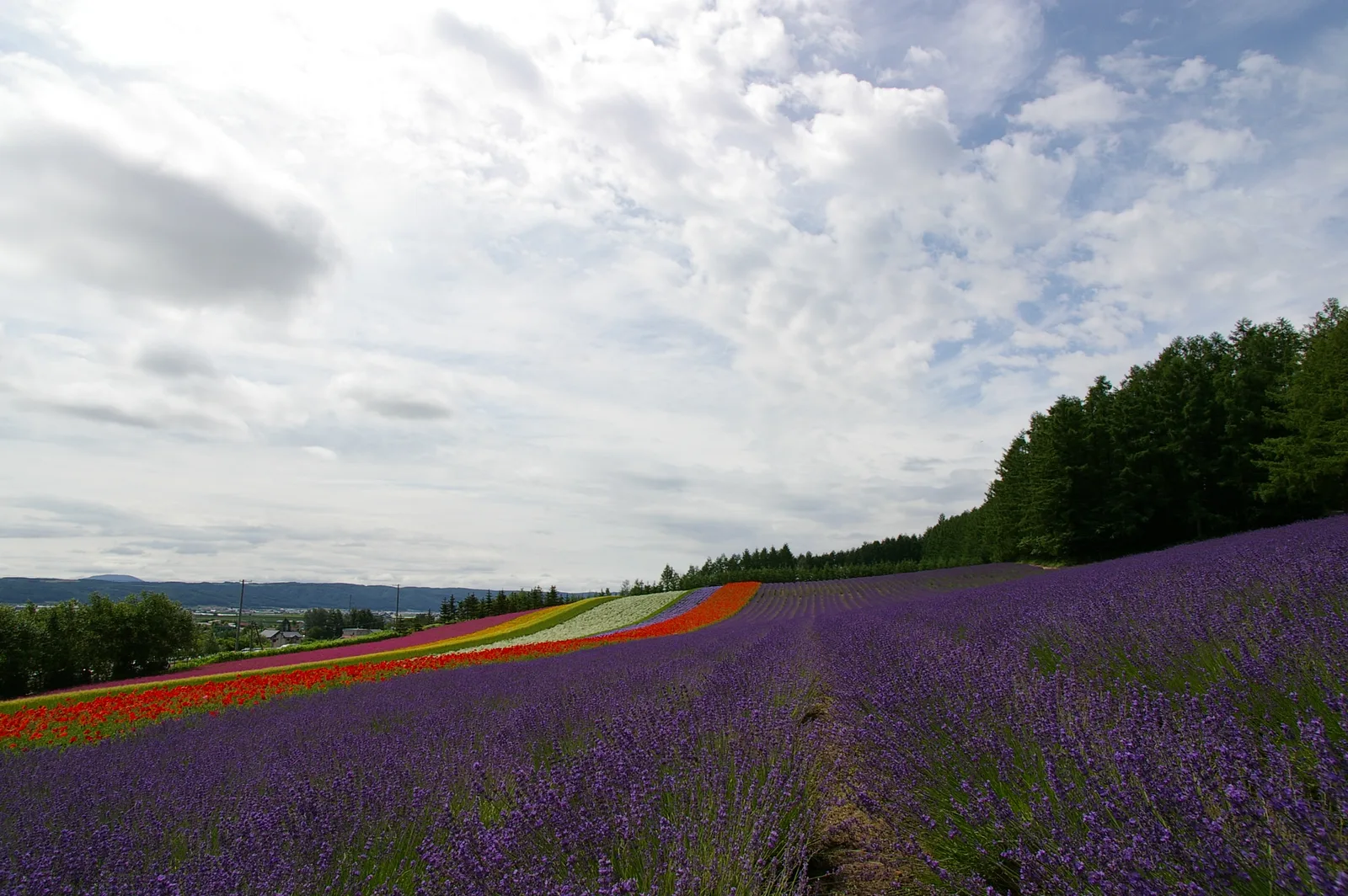
Step off the train in Asahikawa in July and the Furano Lavender Express is already boarding, no transfer, purple fields about two hours down the line. On JR Hokkaido's own limited express trains, every seat is reserved, all year, and the fare itself never moves with the season, whether you ride at the height of summer or deep in a Hokkaido winter.
The short answer
- A short loop of Sapporo, Otaru and Hakodate barely pays off. JR Hokkaido's own example puts separate tickets at 23,140 yen against 22,000 yen for the 5-day Hokkaido Rail Pass, a saving of only 1,140 yen.
- Stick to just Otaru and Noboribetsu, and the full pass loses. Those same two round trips cost 13,380 yen as separate tickets. The Sapporo-Noboribetsu Area Pass covers them for 10,000 yen; the 5-day Hokkaido Rail Pass would cost 22,000 yen, far more.
- Range further, to Furano, Biei, Abashiri or beyond, and the pass wins clearly. A 7-day loop through those places comes to 64,340 yen as separate tickets, against 28,000 yen for the 7-day pass.
- None of this shifts with the season. JR Hokkaido's own fare rules state that its limited express fares have no busy or quiet season, so the comparisons above hold whether you travel in January or August.
One adult, ordinary car, prices checked September 22, 2026. Jump straight to the calculator →
What makes Hokkaido worth the trip
Before the numbers, here is what JR Hokkaido and Hokkaido's own tourism associations say you get for that fare. Every detail below comes from an official page, checked September 22, 2026.
The Furano Lavender Express and the last run of the Furano-Biei Norokko Train
Ride the Furano Lavender Express and you skip the transfer altogether. Most trains from Sapporo to Furano involve changing at Asahikawa; this one does not. It leaves Sapporo Station at 7:41 and reaches Furano at 9:44, one train, about two hours. JR Hokkaido runs it only in summer, from June to September, using a dedicated 261 series 5000-unit train nicknamed "Lavender." Car 1 has a space called the Lavender Lounge, open seating where you can stand, stretch your legs and watch the fields roll by instead of staying in your assigned seat the whole ride. The conductor hands out an original boarding certificate as a souvenir of the ride. Heading back, the same train leaves Furano at 16:53 and arrives in Sapporo at 18:52, so a same-day round trip is possible without an overnight stay. Every seat on it is reserved, so if a summer trip to Furano is on your list, book ahead rather than hoping to walk on.
The Furano-Biei Norokko Train, a slower sightseeing train linking Asahikawa, Biei and Furano, ran for 28 years before its last day: September 23, 2026. On a normal day it made three round trips (trains 1, 3 and 5 outbound, 2, 4 and 6 on the way back), each seat reserved for 1,000 yen. Its signature move was slowing down on purpose, between Biei and Bimoji stations for the hill country, and between Lavender Farm and Naka-Furano stations for the lavender fields, giving riders a longer look than an ordinary train allows. An audio guide app narrated the Asahikawa-Furano line along the way, calling out what to look for at each window. If you are reading this after September 2026, the Norokko itself is retired, but the regular local trains on the same Asahikawa-Furano line, used in the fares below, still run past the same hills and fields, just without the slowdowns.
Limited expresses with no non-reserved seats
Hokkaido has a rule that trips up first-time riders: its limited express trains have no non-reserved cars at all. Elsewhere in Japan, a traveler without a reservation can usually walk to a non-reserved car and take whatever seat is open. JR Hokkaido's own page rules that out here, stating it plainly: "All seats are reserved on all JR Hokkaido's limited express trains. There are no non-reserved seats." That covers the trains you are most likely to ride with a pass: Hokuto and Suzuran to Hakodate and Noboribetsu, Kamui and Lilac to Asahikawa, Soya and Sarobetsu toward Wakkanai, Okhotsk to Abashiri, Ozora and Tokachi to Obihiro and Kushiro, and the seasonal Furano Lavender Express.
With a rail pass, the reservation itself costs nothing extra, but you still need to make one, at a JR Hokkaido station counter, a reservation machine, or through JR-EAST Train Reservation, starting one month before you travel. If a train sells out, JR Hokkaido names an exception: standing passengers can still board some of these trains, just not in the Green Car. It is a different habit than the Shinkansen, where a non-reserved car is often the easy fallback, so it is worth reserving your Hokkaido legs as soon as your dates are fixed rather than deciding at the platform.
The drift ice off Abashiri, and the hot springs of Jigokudani
Every winter, drift ice moves down from the Sea of Okhotsk and reaches the coast near Abashiri, a place considered one of the southernmost points in the world where the sea regularly freezes over, according to the sightseeing boat operator's own site. Its icebreaker Aurora pushes straight into the pack ice rather than sailing around it, cutting a path where seals sometimes rest on the ice and, occasionally, a fox or deer wanders across it, from around January 20 to March 31 in a typical year. A ride on the large ship costs 7,000 yen for an adult; a smaller ship, running from mid-February to late March, costs 9,800 yen. Abashiri sits at the end of the line from Sapporo on the limited express Okhotsk, a long ride but a stretch the Hokkaido Rail Pass covers in full without a separate fare.
Noboribetsu's hot springs trace back to volcanic activity about 10,000 years ago, according to the Noboribetsu International Tourism & Convention Association. The result is Jigokudani, or Hell Valley, a steaming, sulfur-streaked crater that still feeds the onsen below. It sits a short bus ride, about 20 minutes, from Noboribetsu Station, the end point of the Sapporo-Noboribetsu Area Pass. If a short trip to Noboribetsu is all you have planned, the area pass below may cost less than the full Hokkaido Rail Pass, so you can put the difference toward a night at one of the onsen ryokan (traditional inns) near the valley.
Where locals go: three spots in Japanese reviews
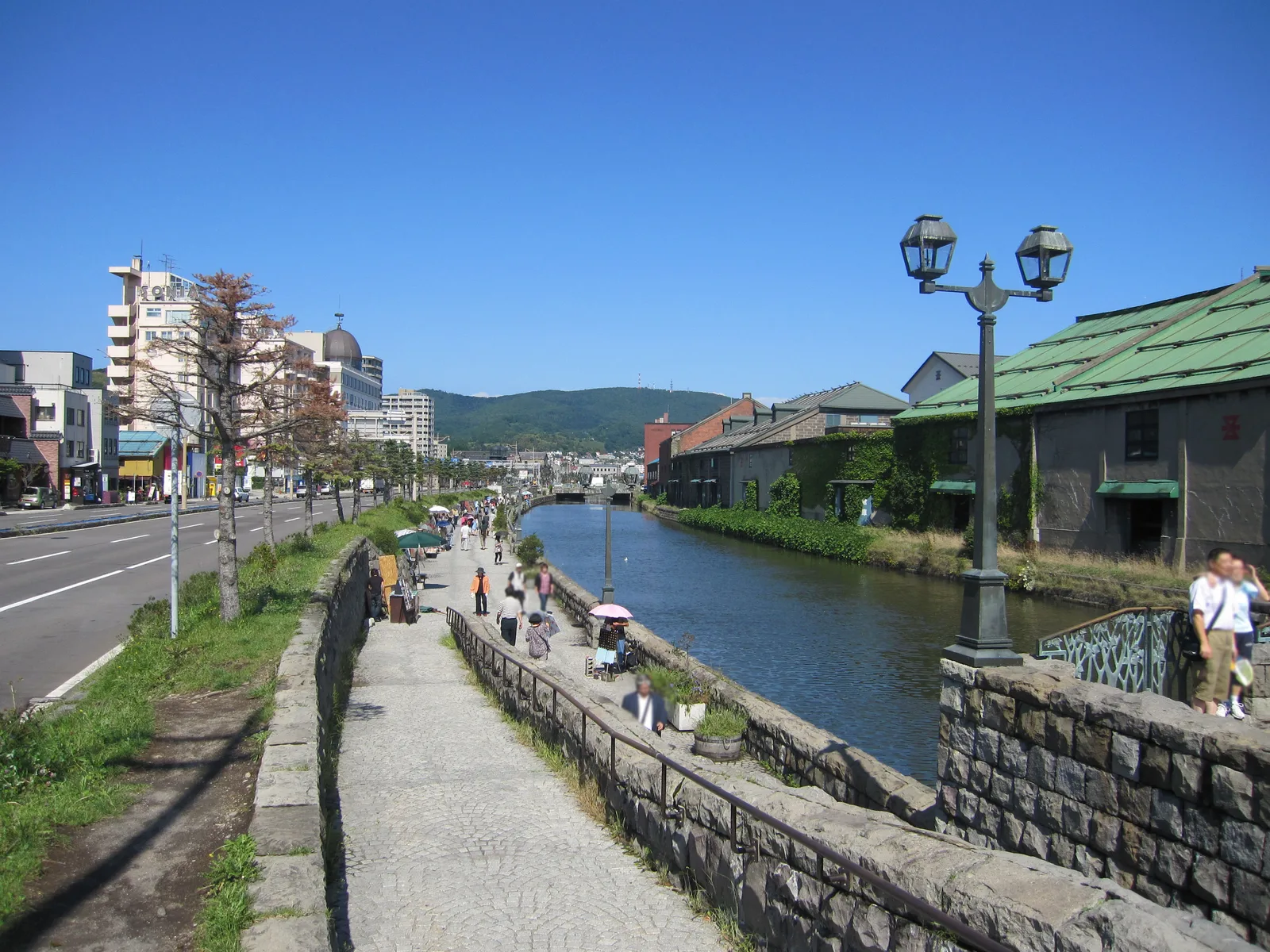
Guidebooks in English tend to repeat the same stops: Otaru Canal and Sakaimachi Street, the Blue Pond and the "Ken and Mary Tree" near Biei. Those places are worth the trip, but they are not the only ones. Searching Japanese review sites turns up different names, still inside the area a rail pass covers, with the review counts and price ranges that a menu-only listing would not show you.
A few minutes' walk from Sapporo Station, a sushi restaurant called Sushigokoro Nakamura (寿し心 なかむら) holds a 3.5 rating from 477 reviews on Tabelog, Japan's largest restaurant review site, as of September 22, 2026, with a listed price range of 6,000 to 7,999 yen for dinner.
In Otaru, Asahi Observation Deck (旭展望台), reached by about an hour's uphill walk from the canal, at an elevation of about 190 meters, has a 4.2 rating from 31 reviews on Jalan, a Japanese travel-booking site.
In Biei, Hokusei-no-oka Observation Park (北西の丘展望公園), near the same area as the "Ken and Mary Tree," holds a 3.8 rating from 173 reviews on the Japanese edition of Tripadvisor, with reviewers noting that on a clear day you can see the Tokachi mountain range beyond the fields.
None of these three needs a special ticket or a detour off the routes already priced in this guide: Sapporo Station, the walk up from Otaru Canal and the fields around Biei are all inside the reach of the passes compared below.
The numbers: pass prices and regular fares
Here's what you'll actually pay, official prices for one adult in an ordinary car, checked September 22, 2026.
| Pass | Area | Valid for | Adult, bought ahead | Adult, bought in Hokkaido |
|---|---|---|---|---|
| Sapporo-Noboribetsu Area Pass | New Chitose Airport, Sapporo, Otaru, Noboribetsu (not Toya) | 4 consecutive days | 10,000 yen | 11,000 yen |
| Sapporo-Furano Area Pass | New Chitose Airport, Sapporo, Otaru, Asahikawa, Biei, Furano (not Tomamu) | 4 consecutive days | 11,000 yen | 12,000 yen |
| Hokkaido Rail Pass, 5 days | All JR Hokkaido lines except the Hokkaido Shinkansen | 5 consecutive days | 22,000 yen | 23,000 yen |
| Hokkaido Rail Pass, 7 days | Same | 7 consecutive days | 28,000 yen | 29,000 yen |
| Hokkaido Rail Pass, 10 days | Same | 10 consecutive days | 37,000 yen | 38,000 yen |
JR Hokkaido's own fare page notes "ages 6–11 half price" for regular tickets, and each of the three passes has a matching child price close to half the adult price (for example, 11,000 yen for the 5-day Hokkaido Rail Pass bought ahead). This guide and the calculator below are for one adult only.
Some general travel guides describe the two area passes as covering non-reserved seats only. That is not what JR Hokkaido's own English page says as of September 22, 2026. For all three passes, the wording is the same: "You can take an ordinary car reserved seat and a non-reserved seat on the limited express, rapid and local trains in the valid area." In other words, both area passes let you reserve a seat, the same as the full Hokkaido Rail Pass. What none of the three passes cover is the Hokkaido Shinkansen, the Sapporo subway or the Sapporo streetcar, and the two area passes also exclude JR Hokkaido Bus routes.
| Route | Train | One-way fare, adult |
|---|---|---|
| New Chitose Airport – Sapporo | Rapid Airport, reserved seat | 2,230 yen |
| Sapporo – Otaru | Rapid Airport, reserved seat | 1,800 yen |
| Sapporo – Noboribetsu | Hokuto / Suzuran | 4,890 yen |
| Sapporo – Hakodate | Hokuto | 9,770 yen |
| Sapporo – Asahikawa | Kamui / Lilac | 5,440 yen |
| Asahikawa – Biei | Local train | 680 yen |
| Asahikawa – Furano | Local train | 1,380 yen |
| Sapporo – Obihiro | Tokachi / Ozora | 8,120 yen |
| Sapporo – Abashiri | Okhotsk | 10,870 yen |
| Sapporo – Wakkanai | Soya | 14,420 yen |
These are the fares the calculator below uses. For any other route, JR Hokkaido's Regular Tickets page lists more, or you can add your own fare to the calculator's "Other JR Hokkaido rides" field.
Calculator: Hokkaido Rail Pass vs area passes vs regular tickets
- Enter how many one-way rides you will take on each route (a round trip counts as 2).
- Enter how many days your trip covers, from your first ride to your last.
- Say whether you will buy or exchange the pass in Hokkaido or before you arrive.
What this does not count:
- Child fares. The Hokkaido Rail Pass child price is exactly half the adult price, but this tool does not have child fares for the regular tickets it is compared against.
- Green Car fares. Green Car seating is limited on JR Hokkaido's limited expresses, and none of the three passes cover it.
- The extra step of picking up a reserved-seat ticket. Every JR Hokkaido limited express is all-reserved (see above), but making the reservation itself costs no money.
- Routes not listed above, such as Asahikawa – Wakkanai or the Kamikawa area. Add the fare you look up to "Other JR Hokkaido rides."
- JR Hokkaido Bus routes. The Hokkaido Rail Pass covers some of them; look up the individual route fare and add it to "Other JR Hokkaido rides."
Scenarios: four itineraries around Hokkaido
These four trips use the fares above and the same math as the calculator, all for one adult buying the pass before arriving in Hokkaido.
| Itinerary | Rides entered | Regular tickets | Hokkaido Rail Pass | Area Pass (if it fits) | Verdict |
|---|---|---|---|---|---|
| Sapporo, Otaru and Hakodate in 5 days | Hakodate x2, Otaru x2 | 23,140 yen | 22,000 yen (5-day) | — | Pass saves 1,140 yen |
| Otaru and Noboribetsu only | Noboribetsu x2, Otaru x2 | 13,380 yen | 22,000 yen (5-day) | 10,000 yen (Sapporo-Noboribetsu) | Area pass saves 3,380 yen; full pass costs 8,620 yen more |
| A 7-day loop to Furano, Biei and Abashiri | Airport x2, Otaru x2, Hakodate x2, Asahikawa x2, Biei x2, Furano x2, Abashiri x2 | 64,340 yen | 28,000 yen (7-day) | — | Pass saves 36,340 yen |
| A day trip to Furano and Biei only | Asahikawa x2, Furano x2 | 13,640 yen | 28,000 yen (7-day) | 11,000 yen (Sapporo-Furano) | Area pass saves 2,640 yen; full pass costs 14,360 yen more |
Sapporo, Otaru and Hakodate in 5 days
This is JR Hokkaido's own example: a round trip Sapporo-Hakodate plus a round trip Sapporo-Otaru comes to 23,140 yen as separate tickets. The 5-day Hokkaido Rail Pass, bought ahead, is 22,000 yen, a saving of 1,140 yen. It is not a wide margin, and the area passes do not fit this route because neither one reaches Hakodate.
Otaru and Noboribetsu only
Stay inside the Sapporo-Noboribetsu Area Pass's own reach and the full pass stops making sense. Round trips to Noboribetsu and Otaru cost 13,380 yen as separate tickets, JR Hokkaido's other headline example. The area pass covers the same trip for 10,000 yen, while the 5-day Hokkaido Rail Pass would cost 22,000 yen, 8,620 yen more than simply buying tickets.
A 7-day loop to Furano, Biei and Abashiri
Add a wider loop, airport to Sapporo, out to Otaru and Hakodate, then up to Asahikawa, Biei, Furano and Abashiri and back, and separate tickets add up fast: 64,340 yen. The 7-day Hokkaido Rail Pass, at 28,000 yen, saves 36,340 yen. This is the shape of trip the full pass is built for.
A day trip to Furano and Biei only
Narrow that same week down to just Asahikawa, Biei and Furano, and the math flips. Separate tickets come to 13,640 yen; the 7-day pass is still 28,000 yen, 14,360 yen more. The Sapporo-Furano Area Pass, at 11,000 yen, beats both, proof that the right pass depends on how far you actually go, not just how many days you travel.
JR Hokkaido Rail Pass vs the JR East-South Hokkaido Rail Pass
A pass with a similar name covers a different trip. The JR East-South Hokkaido Rail Pass, sold by JR East, costs 40,000 yen for an adult (20,000 yen for a child) and runs 6 consecutive days from the date you choose. It covers JR East's entire network plus, on the Hokkaido side, only the Hakodate, Sapporo and Otaru area, not Furano, Abashiri, Wakkanai or the rest of the Hokkaido Rail Pass's reach. It also covers the Hokkaido Shinkansen, which the Hokkaido Rail Pass does not.
JR East gives its own example: a round trip between Tokyo and Shin-Hakodate-Hokuto by Hokkaido Shinkansen, reserved seat, costs about 48,000 yen for an adult, against 40,000 yen for the pass. JR Hokkaido's own Regular Tickets page gives a similar figure from its side: Sapporo to Tokyo via Shin-Hakodate-Hokuto and Shin-Aomori comes to 42,710 yen, against the same 40,000 yen pass.
The choice really comes down to your route. Arriving from Tokyo by Shinkansen and staying around Hakodate, Sapporo and Otaru points to the JR East-South Hokkaido Rail Pass. Flying into New Chitose and ranging further, to Furano, Abashiri or Wakkanai, points to the JR Hokkaido Rail Pass compared in this guide. For the nationwide pass some travelers weigh against both, see Is the JR Pass Worth It?
When to go: seasons, events and why the fare doesn't change
| When | What | Notes |
|---|---|---|
| Year-round | JR Hokkaido's limited express fares do not change by season | Confirmed on JR Hokkaido's fare rules document; unlike some JR East and Shinkansen routes, there is no busy or quiet-season surcharge on Hokkaido's own lines |
| June to September | Furano Lavender Express runs | Check JR Hokkaido's monthly operating calendar; it does not run every day |
| Through September 23, 2026 | Furano-Biei Norokko Train's final season | Ran for 28 years before retiring after this date |
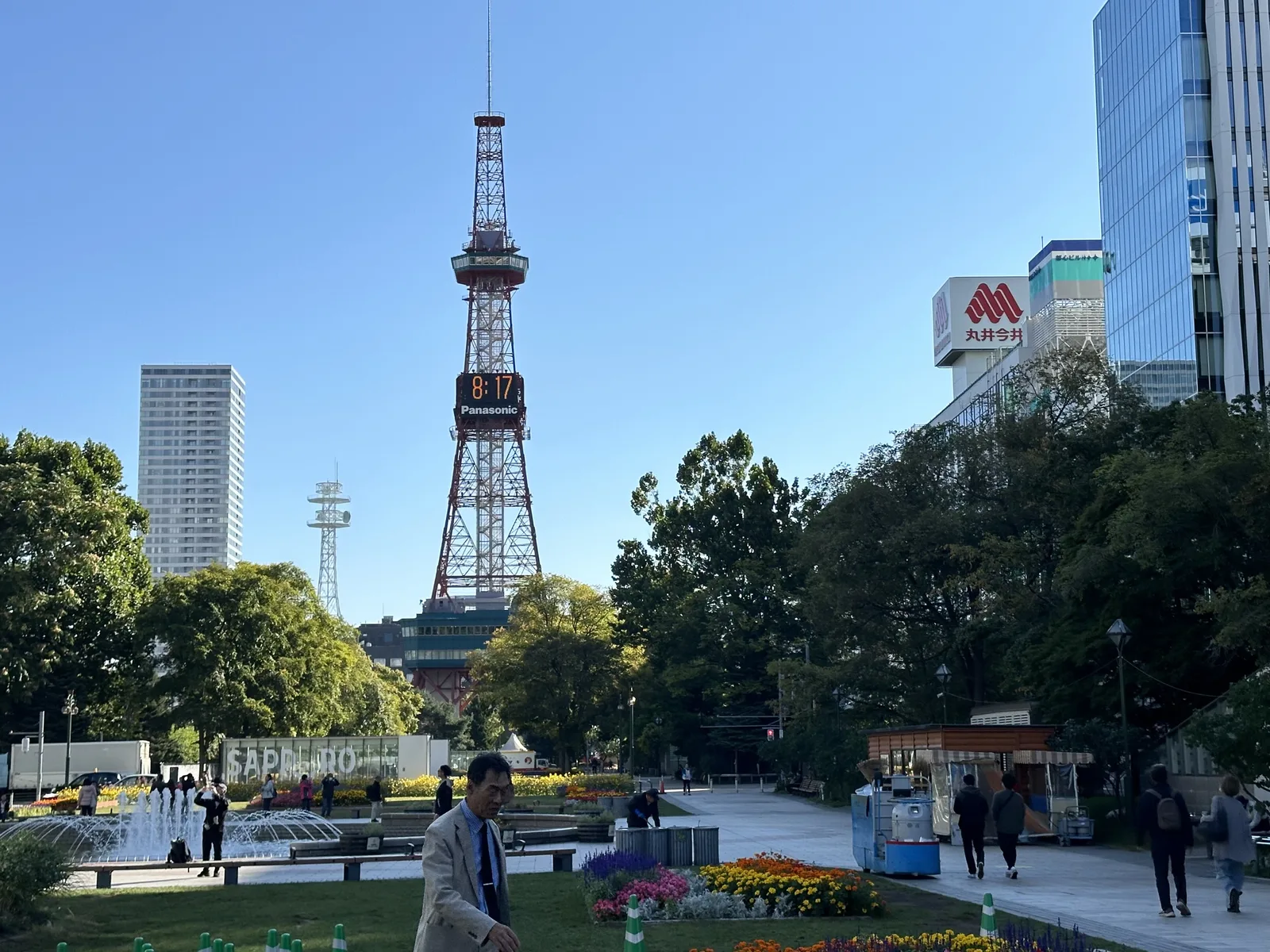
| Early February | Sapporo Snow Festival, at Odori Park, Susukino and Tsu Dome | The exact 2027 dates were not yet posted on the official event page as of September 22, 2026; check closer to your trip |
| Around January 20 to March 31 in a typical year | Drift ice season off Abashiri; the Aurora icebreaker sails | The exact 2026-27 operating dates were not yet posted as of September 22, 2026 |
That first row matters for this whole guide: because JR Hokkaido's limited express fares stay the same all year, none of the comparisons above shift with the season. A busy August and a quiet November cost the same fare on these trains. What does change with the season is what is worth doing, and how crowded the trains and roads get, not the price of your ticket.
What to buy instead, and how to buy the pass
Where you can buy the pass
There are three ways to buy or exchange these passes: buy directly on JR-EAST Train Reservation, where you can also reserve seats in advance; buy an Exchange Order through an overseas travel agent, then exchange it for the pass in Japan; or buy at a JR Hokkaido station ticket window on arrival, paying in cash or by credit card (not Apple Pay or similar contactless wallets). Buying or exchanging in Hokkaido adds 1,000 yen for an adult and 500 yen for a child to every pass in this guide.
Which station sells which pass also varies. The Sapporo-Noboribetsu Area Pass is sold or exchanged only at New Chitose Airport, Sapporo and Noboribetsu stations. The Sapporo-Furano Area Pass is limited to New Chitose Airport, Sapporo and Asahikawa. The Hokkaido Rail Pass has a wider list of designated stations. Do not assume every JR Hokkaido ticket window sells every pass; check before you plan your first stop around it.
New passport-reading ticket machines on or after October 20, 2026
Starting October 20, 2026, JR Hokkaido is adding ticket vending machines that read passports directly, so travelers can buy or exchange a pass without lining up at a staffed window. Three machines go into Sapporo Station (two in the West Concourse, one in the East Concourse), and one goes into New Chitose Airport Station, next to the JR Information Desk. As of September 22, 2026, this was announced but not yet running.
If the pass doesn't pay off: area passes and other options
If none of the three passes beat separate tickets for your trip, buying tickets one by one as you go is always an option, and the fare tables above have what you need to price it yourself.
If your trip is really a ski trip, note that Niseko is not on this list at all: there is no JR line to Niseko, so travelers get there by road. See Niseko and Hakuba Lift Passes 2026-27 for how that route and its bus fares work.
If you are coming from Tokyo by Shinkansen and weighing passes, Is the JR Tokyo Wide Pass Worth It? covers a pass with the same "foreign passport, no Temporary Visitor status required" wording that JR Hokkaido uses for all three of its own passes.
Check pricesAffiliate link
Common questions
Can I buy the JR Hokkaido Rail Pass after I arrive in Hokkaido?
Yes. At a JR Hokkaido station ticket window, you can buy any of the three passes with an adult surcharge of 1,000 yen (500 yen for a child) over the price shown here for buying ahead. Not every station sells every pass, so check the list for the one you want before you plan around it.
How many days of the Hokkaido Rail Pass do I need?
Three lengths are sold: 5, 7 and 10 days. A short loop of Sapporo, Otaru and Hakodate breaks even in 5 days, though only by a small margin (1,140 yen). Once your trip reaches further, to Furano, Biei, Abashiri or beyond, the 7 or 10-day pass tends to pay off by a wide margin.
Do I need a reserved seat on every limited express train?
On Hokkaido's main limited expresses, yes; there are no non-reserved cars at all. JR Hokkaido names Hokuto, Suzuran, Kamui, Lilac, Soya, Sarobetsu, Okhotsk, Ozora, Tokachi and the seasonal Furano Lavender Express as all-reserved. If a train is full, some of these allow standing passengers as an exception, but not in the Green Car.
Are the Sapporo-Noboribetsu and Sapporo-Furano area passes cheaper than the full pass?
It depends on your route, not just your budget. For a trip that stays inside one area pass's reach, such as Otaru and Noboribetsu only, the area pass usually costs less than the full Hokkaido Rail Pass. Both area passes cover reserved seats, the same as the full pass, despite what some general travel guides say.
Is the JR Hokkaido Rail Pass the same as the JR East-South Hokkaido Rail Pass?
No. They cover different areas. The JR Hokkaido Rail Pass covers Hokkaido's own network, minus the Shinkansen. The JR East-South Hokkaido Rail Pass covers JR East's whole network plus, in Hokkaido, only the Hakodate-Sapporo-Otaru area, including the Hokkaido Shinkansen.
When do the new passport-reading ticket machines start?
On or after October 20, 2026, at Sapporo Station (3 machines) and New Chitose Airport Station (1 machine).
What if I need a refund?
An unused pass can be refunded at the place you bought or exchanged it, before or during its validity period, for a fee of 10% of the price you paid (560 yen if you bought through JR-EAST Train Reservation). A lost or stolen pass is not reissued.
Whichever pass you land on, the fare never moves with the season here, so the only real decision is how far you're willing to ride: stay close and the tickets alone can win, push out to Furano or the drift ice off Abashiri and the pass starts paying for the trip itself.
Sources and data date
All prices were checked on September 22, 2026. Regular fares are JR Hokkaido's published one-way adult fares and, on JR Hokkaido's own lines, do not change by season.
- JR Hokkaido, Rail Passes
- JR Hokkaido, Regular Tickets
- JR Hokkaido, limited express and rapid train fare rules (Japanese, PDF)
- JR East, JR East-South Hokkaido Rail Pass
- JR Hokkaido, sightseeing trains of the Furano-Biei area
- Noboribetsu International Tourism & Convention Association, about Noboribetsu Onsen
- Abashiri drift ice sightseeing boat operator, ms-aurora.com
- Tabelog (Japanese): Sushigokoro Nakamura, checked September 22, 2026
- Jalan (Japanese): Asahi Observation Deck, checked September 22, 2026
- Tripadvisor, Japanese edition: Hokusei-no-oka Observation Park, checked September 22, 2026